Live Animal Resource Core
Unconventional Mammalian Models for Aging Research
The Live Animal Resource Core provides researchers across the nation with access to unconventional mammalian models of aging and longevity. Our unique colony includes species with exceptional lifespans and age-related characteristics that cannot be studied in traditional laboratory models.
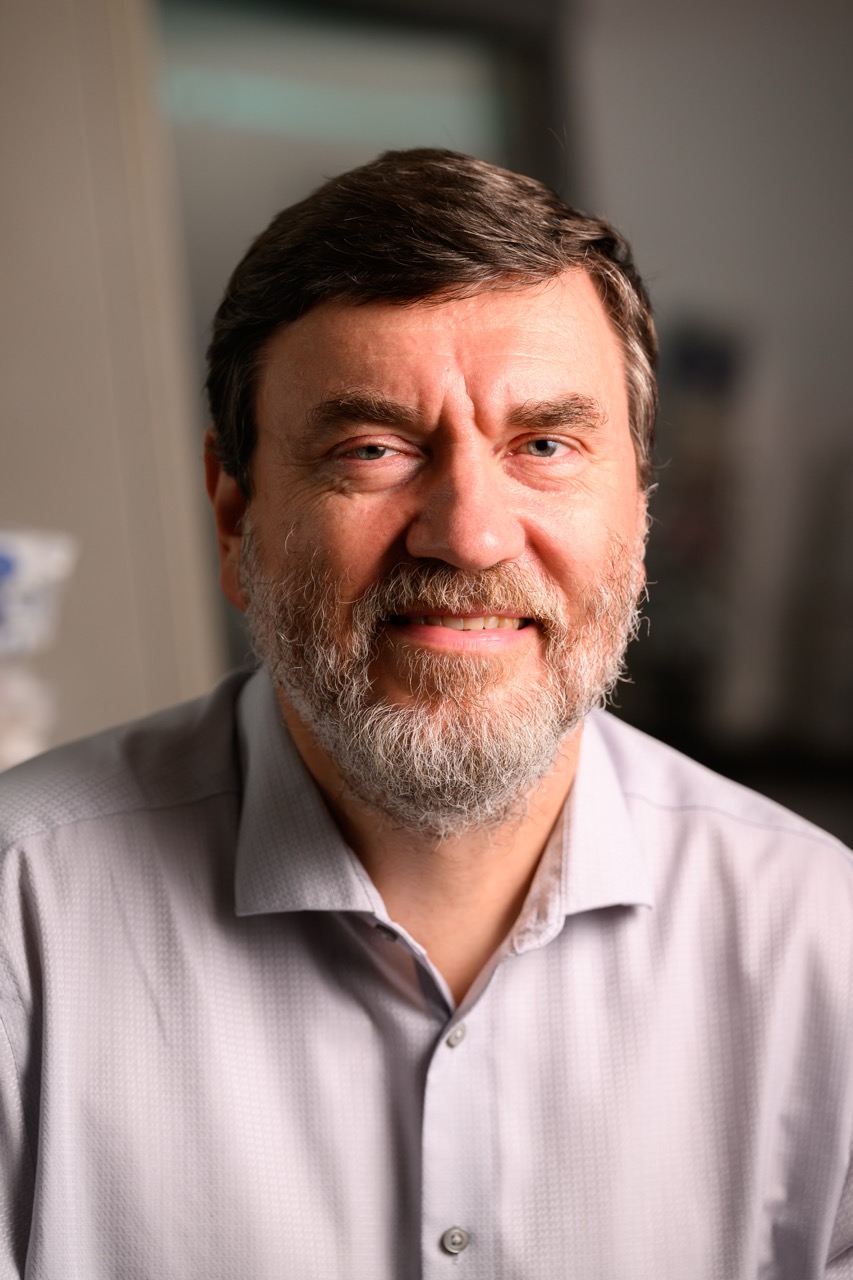
Core Members
Available Animal Models
Naked Mole Rats (Heterocephalus glaber)
Lifespan: 30+ years (exceptional for rodent size)
Unique characteristics:
- Extreme cancer resistance
- Negligible senescence
- Exceptional DNA repair mechanisms
- Unique metabolism and physiology
Research applications: Cancer biology, DNA repair, aging mechanisms, longevity studies
Damaraland Mole Rats (Fukomys damarensis)
Lifespan: 20+ years
Unique characteristics:
- Eusocial behavior similar to naked mole rats
- Extended lifespan compared to other rodents
- Stress resistance mechanisms
- Social hierarchy effects on aging
Research applications: Social effects on aging, comparative longevity studies, stress response
African Spiny Mice (Acomys spp.)
Lifespan: 7-8 years
Unique characteristics:
- Exceptional regenerative abilities
- Rapid wound healing without scarring
- Organ regeneration capabilities
- Unique skin and tissue properties
Research applications: Regenerative medicine, wound healing, tissue repair, comparative physiology
Core Services
Study Design Consultation
- Expert advice on experimental design
- Power analysis and sample size calculations
- Protocol development and optimization
- Regulatory compliance guidance
Live Animal Access
- Access to breeding colonies
- Animals for short-term studies
- Long-term collaborative projects
- Breeding pair provision for colony establishment
Sample Collection
- Custom tissue sample collection
- Blood and plasma samples
- Organ and tissue harvesting
- Specialized sample preservation
Training & Support
- Handling and husbandry training
- Specialized technique workshops
- Veterinary support
- Animal care protocols
How to Access Resources
Step 1: Initial Consultation
Contact the core leader to discuss your research goals and requirements. We'll help determine the most appropriate animal model and study design for your project.
Step 2: Proposal Submission
Submit a brief research proposal outlining your objectives, methodology, and resource needs. Include timeline and budget considerations.
Step 3: Review & Approval
Proposals are reviewed for scientific merit, feasibility, and resource availability. IACUC approval may be required depending on the study design.
Step 4: Implementation
Once approved, we'll work with you to implement your study, provide training as needed, and ensure proper protocols are followed.
Facilities & Equipment
Animal Housing
- Temperature and humidity controlled environments
- Species-specific housing systems
- AAALAC-accredited facility
- 24/7 veterinary oversight
Research Support
- Procedure rooms for sample collection
- Imaging and monitoring equipment
- Sample processing facilities
- Data collection and analysis tools
Contact Information
Get Started
For research inquiries:
Andrei Seluanov, Ph.D. (andrei.seluanov@rochester.edu)
For facility tours:
Contact us to schedule a visit to our animal facilities
For collaboration opportunities:
We welcome partnerships for advancing aging research using our available animal models.